
Guides for better websites.
Clear explanations for SEO, publishing and everyday web work.
 GUIDE
GUIDEHow to Write a Useful Meta Description
A meta description will not lift your rankings by itself, but it can decide whether someone clicks. Here is how to write one that is honest, specific and worth reading.
Read guide → GUIDE
GUIDEA Practical Guide to Title Tags
The title tag is the first thing a searcher reads about your page. Here is how to write titles that are clear, unique and honest, and why they sometimes get rewritten.
Read guide → GUIDE
GUIDEOpen Graph Tags Explained for Website Owners
Open Graph tags decide how your link looks when it is shared in chat apps and social networks. They are simple to add and easy to get wrong.
Read guide → GUIDE
GUIDEHow to Build a Clean XML Sitemap
A sitemap is only as good as the list inside it. This guide covers how to generate, split, check and maintain an XML sitemap so it stays accurate as your site grows.
Read guide → GUIDE
GUIDERobots.txt: What It Can and Cannot Do
Robots.txt tells well-behaved crawlers where they may go, but it does not hide pages, remove them from search, or protect private files. This guide separates the useful jobs from the common myths.
Read guide → GUIDE
GUIDEHow to Read Index Coverage Signals: A Practical SEO Guide
The indexing report in Search Console lists why pages are or are not in Google's index. Many statuses are harmless. This guide explains which ones deserve attention.
Read guide → GUIDE
GUIDEHow to Diagnose a Traffic Drop: A Practical SEO Guide
A traffic drop has many possible causes, from a broken tag to a real ranking change. Work through them in order, starting with the simplest and most likely.
Read guide → GUIDE
GUIDEHow to Measure Useful Website Engagement
Page views show that someone arrived. Engagement measures show whether they found something worth their time. This guide explains which measures are useful and which can mislead.
Read guide →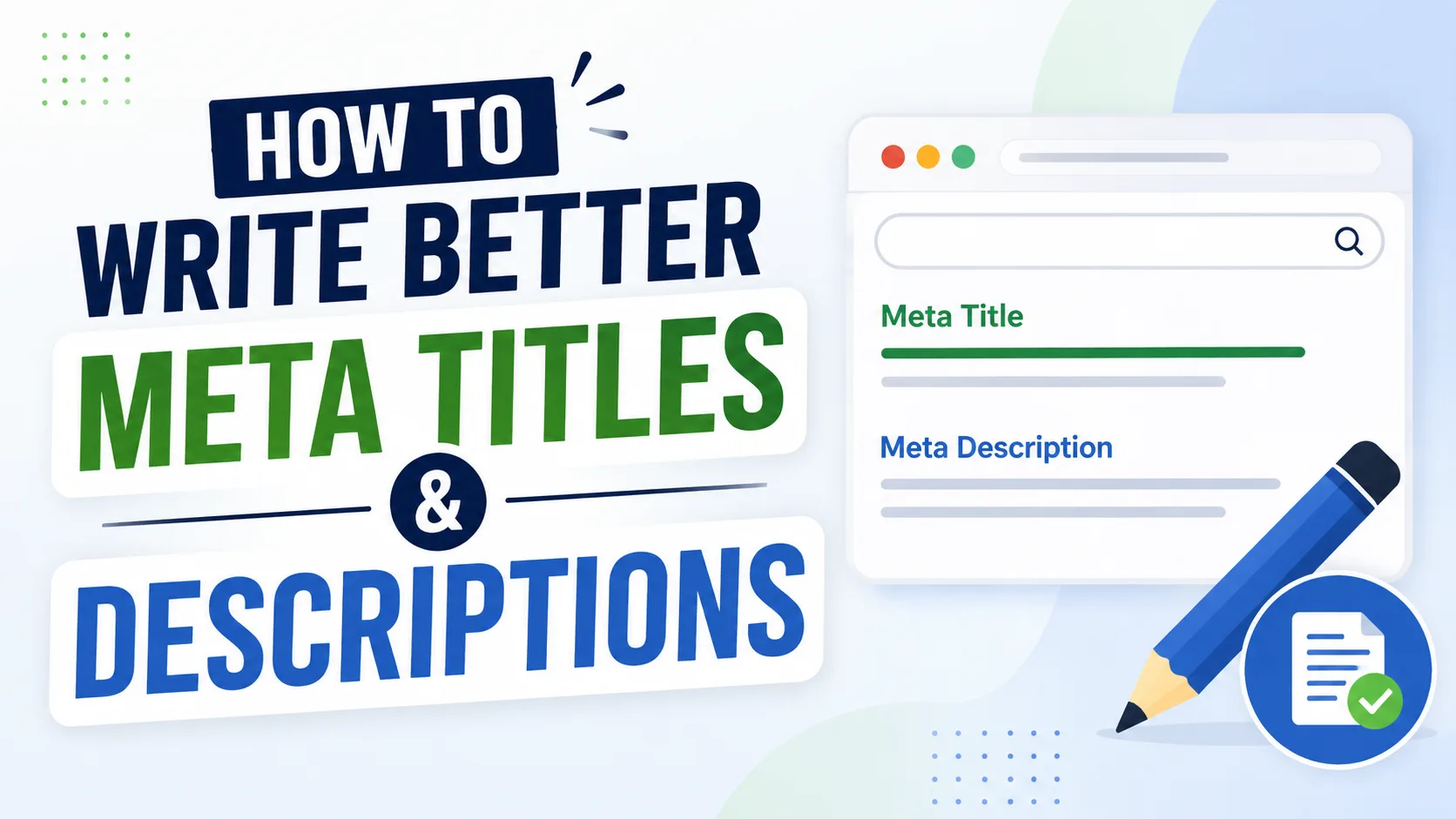 GUIDE
GUIDEHow to Write Better Meta Titles and Descriptions
Titles and descriptions work as a pair in search results. This guide looks at how they should differ, how to review them across many pages and how to avoid repeating yourself.
Read guide →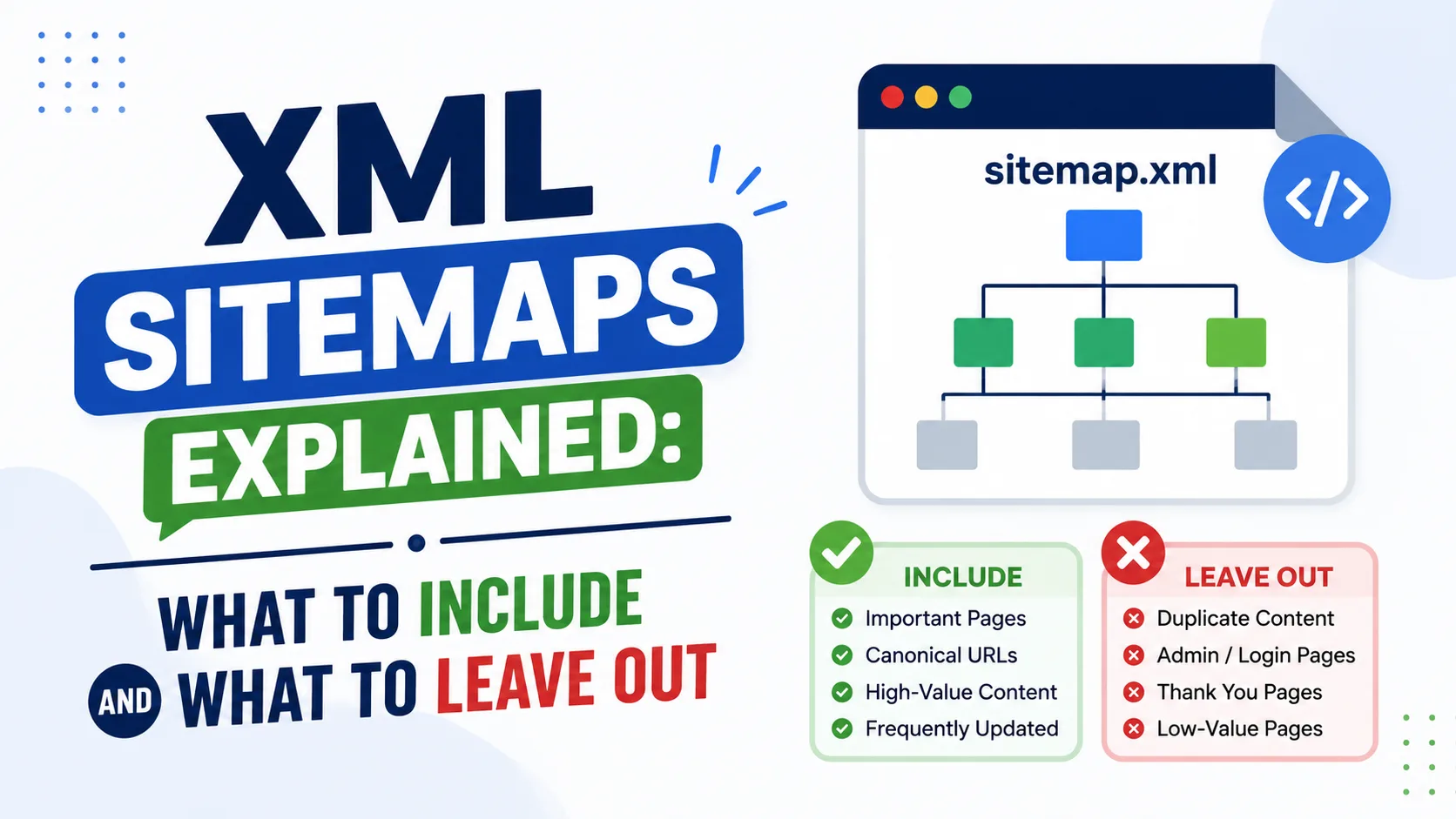 GUIDE
GUIDEXML Sitemaps Explained: What to Include and What to Leave Out
A sitemap should list the URLs you want indexed and nothing else. This guide gives decision rules for deciding what goes in and what stays out.
Read guide →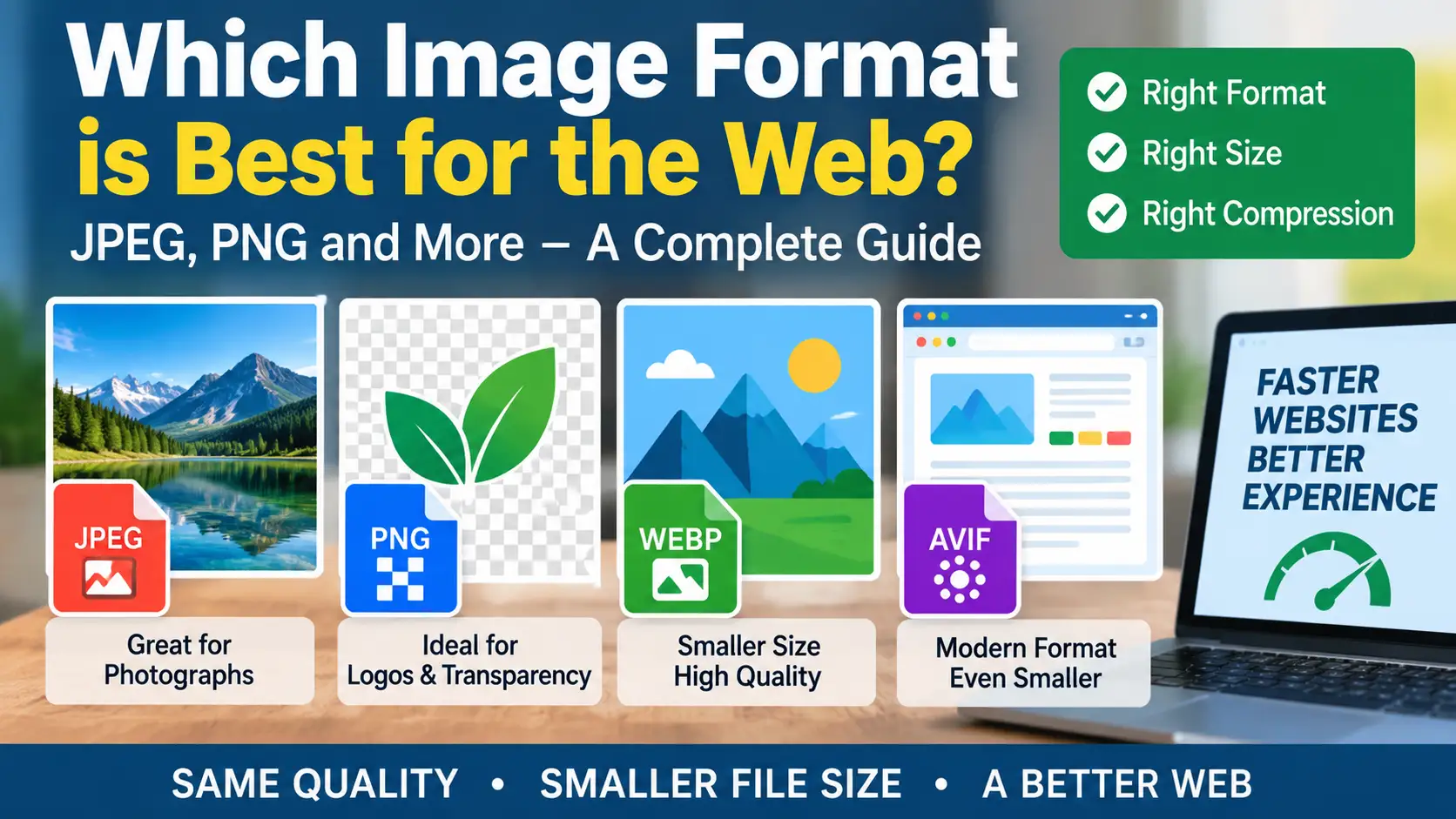 GUIDE
GUIDEWebP, JPEG and PNG: Choosing the Right Image Format
WebP, JPEG and PNG each fit certain images better. This guide gives simple rules for choosing, with examples of what usually works for blogs and tools.
Read guide → GUIDE
GUIDEKeyword Density: Why Context Matters More Than a Percentage
Counting how often a phrase appears can reveal awkward repetition or a missing topic. It cannot tell you whether the page is good. Here is how to use the numbers as a diagnostic.
Read guide → GUIDE
GUIDESchema Markup: What Structured Data Can and Cannot Do
Schema markup describes the meaning of your content to search engines. It can make some pages eligible for rich results, but it does not guarantee them or boost rankings by itself.
Read guide →GUIDEA Practical Guide to Robots.txt Without Blocking Your Own Site
One wrong line in robots.txt can hide a whole site from crawlers. These are the habits that keep your file narrow, readable and safe after launches and migrations.
Read guide →GUIDEHow to Compress Images Without Making Them Look Bad
Good compression keeps images looking natural while cutting file size. The trick is to resize first, pick a suitable quality and compare at the size people actually see.
Read guide →GUIDEHow to Prepare a Website Before Adding Advertising
Adding ads changes how a page looks and behaves. This guide covers the reader-experience side of preparing a site: layout, speed, disclosure and consent.
Read guide →